
We have all been there: standing in front of the bathroom mirror at the end of a long day, reaching for that familiar tube of peppermint paste to polish our pearly whites. It is one of the most mundane rituals of modern life. However, a growing number of people are no longer stopping at their teeth. Instead, they are taking that tube and heading straight for their feet. While it might sound like a bizarre internet prank or a confusing lapse in judgment, this “toothpaste trick” has quietly become a viral sensation among those seeking relief from common daily woes.
The skin on our feet is some of the toughest on the body, yet it is also home to thousands of sensitive nerve endings and sweat glands. From the friction of ill-fitting shoes to the sheer exhaustion of standing for hours, our lower limbs bear the brunt of our busy lifestyles. When traditional lotions and expensive spa treatments fail to deliver immediate results, many are turning to this surprising household staple. But what exactly happens when you apply a cleaning agent meant for tooth enamel to the soles of your feet?
The intrigue lies in the unique chemical composition of your favorite toothpaste brand. It isn’t just about the minty scent; it’s about a specific combination of cooling agents, mild abrasives, and detergents that interact with the skin in ways you might not expect. As we dive into this unconventional beauty and wellness hack, we will explore why this cooling sensation is capturing the attention of weary travelers and athletes alike. Stay tuned as we pull back the curtain on this bathroom cabinet secret…
Medical Disclaimer: The information provided in this article is for informational and educational purposes only and is not intended as medical advice. Always seek the advice of your physician or another qualified healthcare provider with any questions you may have regarding a medical condition or treatment.
The Science of the Cool Down
The primary reason people are lathering their feet in toothpaste boils down to one word: menthol. Most commercial toothpastes are packed with menthol or peppermint oil to provide that signature “clean” feeling in the mouth. When applied to the skin, menthol triggers the cold-sensitive receptors without actually dropping the temperature of the tissue. This creates a powerful cooling sensation that can be incredibly soothing for “hot feet” or the burning discomfort often associated with long days of walking. It provides a localized, numbing effect that offers a moment of Zen after a grueling shift or a high-impact workout.
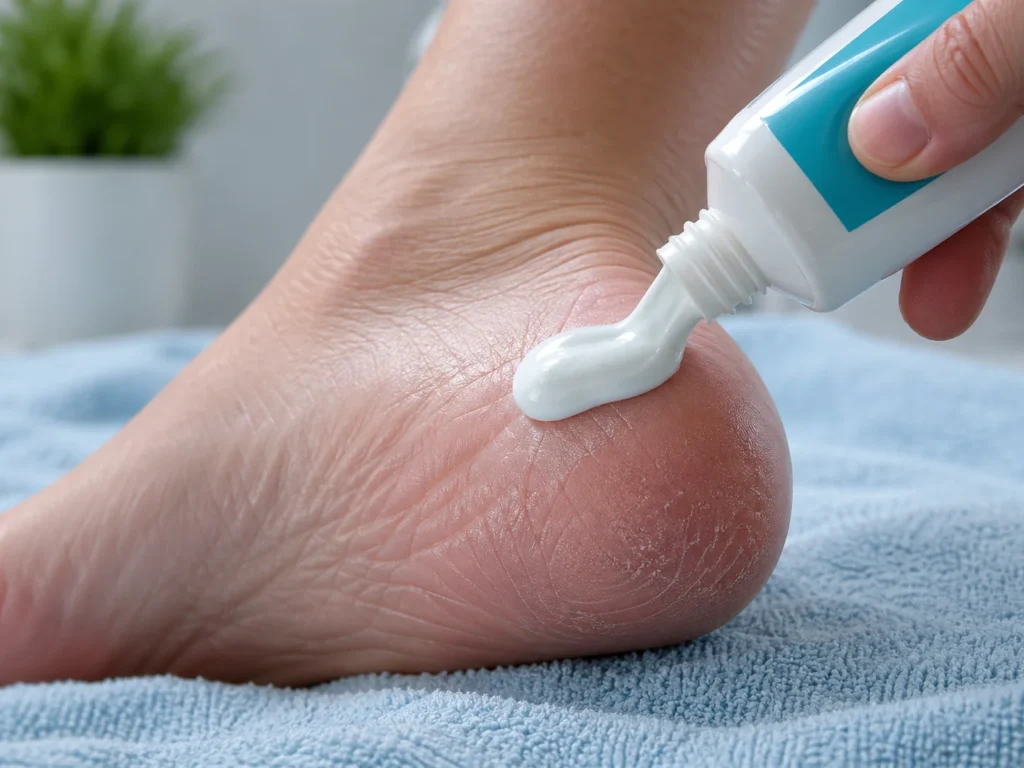
Beyond the cooling effect, toothpaste is designed to be a mild abrasive to remove plaque. This same property makes it a surprisingly effective exfoliant for the feet. Many enthusiasts use it to target rough patches and calluses. The silica or calcium carbonate particles in the paste work to gently buff away dead skin cells, while the detergents (like sodium lauryl sulfate) help to break down oils and grime that soap alone might miss. This dual-action approach—soothing the nerves while mechanically smoothing the skin—is exactly why the trend has gained such traction in DIY wellness circles.
Furthermore, there is a significant deodorizing element. Foot odor is caused by bacteria breaking down sweat, and toothpaste is formulated specifically to combat bacteria and neutralize odors in the mouth. By applying it to the feet, users find they can tackle stubborn smells far more effectively than with standard body wash. It’s a multi-purpose solution that addresses comfort, texture, and hygiene all in one go, making it a “triple threat” for those who prefer quick, accessible home remedies over expensive podiatry products.
The Method: How to Apply the “Toothpaste Mask”
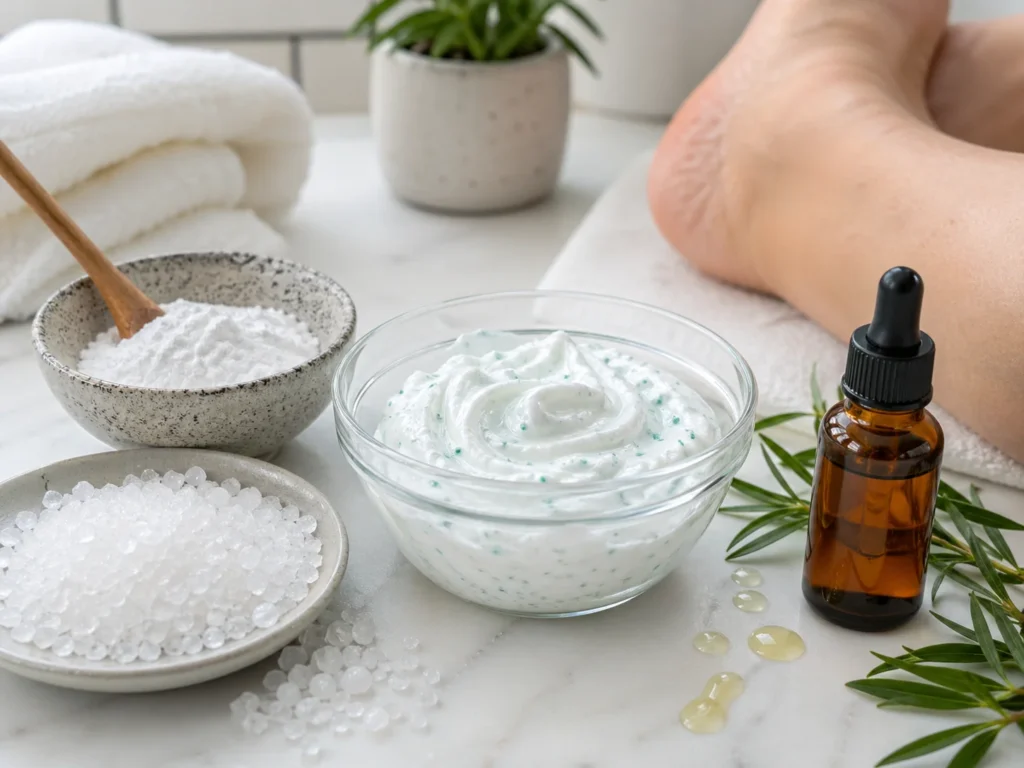
To get the most out of this unconventional hack, you shouldn’t just haphazardly smear paste on your toes. The most effective method is to treat it like a targeted foot mask. Start by washing your feet with warm water to open the pores and soften any hard calluses. Pat them dry, then apply a generous layer of plain white, non-gel toothpaste to the soles and heels. It is important to avoid the sensitive skin between the toes, as the drying agents in toothpaste can sometimes cause irritation in those tight, moisture-prone areas. Focus primarily on the thickened skin of the heel and the ball of the foot. To elevate the results of this home remedy, many enthusiasts recommend creating a “super-mask” by mixing your toothpaste with a tablespoon of baking soda for heavy-duty exfoliation, sea salt to help draw out toxins and reduce swelling, or a few drops of tea tree oil for its potent antifungal and antibacterial properties.
Once applied, many proponents suggest a “soak and seal” approach. You can either let the paste air-dry for about ten minutes to let the menthol really penetrate, or for a more intensive exfoliating treatment, wrap your feet loosely in plastic wrap or put on a pair of old cotton socks. This creates a localized “sauna” effect, preventing the paste from drying out too quickly and allowing the mild abrasives to soften the skin more deeply. During this time, you’ll feel a tingle that signals the menthol is working its magic on your tired nerve endings.
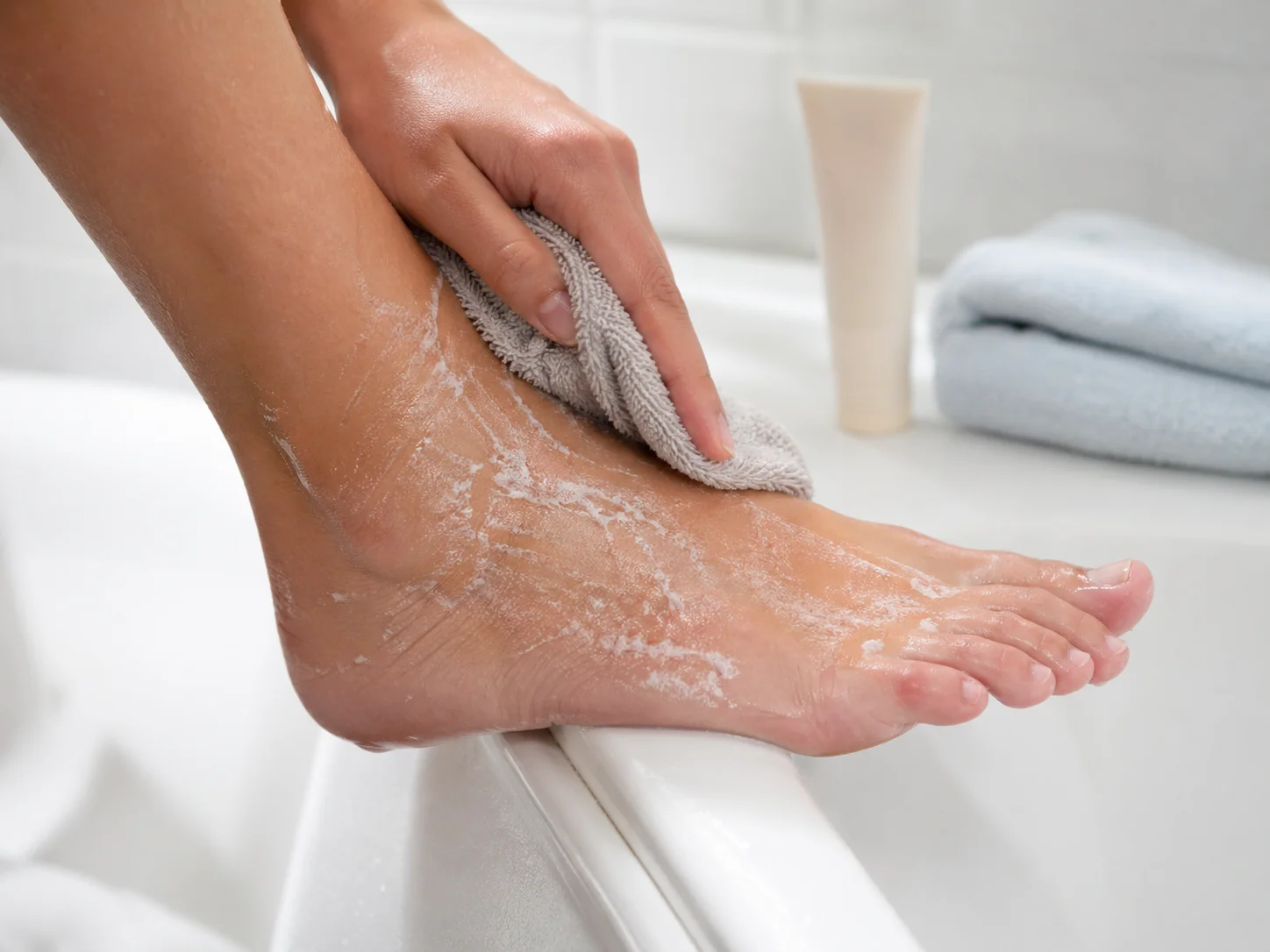
The final step is the rinse. Using a washcloth and lukewarm water, scrub the paste away in circular motions. This is where the exfoliation truly happens; the grit in the toothpaste acts as a polishing agent as you rub. Afterward, it is crucial to apply a heavy-duty moisturizer or foot cream. Because toothpaste is designed to be drying (to combat oral moisture), your skin will need a boost of hydration to lock in the smoothness. When done correctly, this ritual leaves your feet feeling invigorated, smelling fresh, and noticeably softer to the touch.