
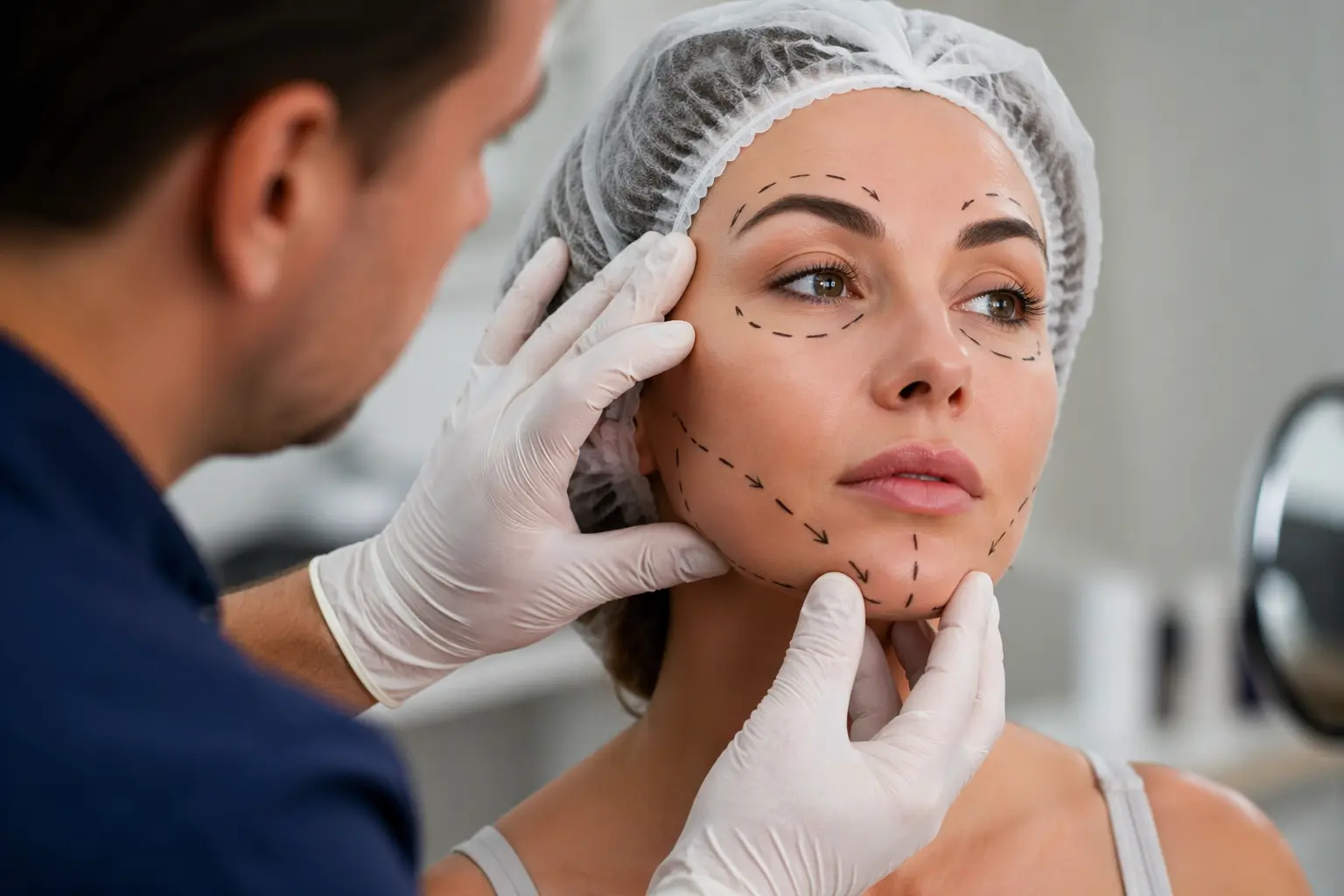
You’ve probably had this moment before. You see someone after a while and think, “Wait, something’s different.” It might not be a dramatic change, maybe not enough to immediately point out. But enough to make you pause for a second longer than usual. These days, cosmetic procedures are more common than ever. And most of them are designed to be subtle. The goal isn’t to look “done”, it’s to look refreshed, well-rested, maybe just a bit younger.
And when it’s done right, it’s almost impossible to tell. But not every result blends in perfectly. Sometimes, it’s the smallest details that stand out. One of the more noticeable signs is a certain tightness in the face. The skin can look slightly stretched, especially around the temples or near the ears. It’s not always obvious, but it can give the face a different kind of tension, something that doesn’t quite match natural aging.
But once you start noticing it, you’ll be surprised to find out how many people around you might have undergone treatment. The tips to find out are over
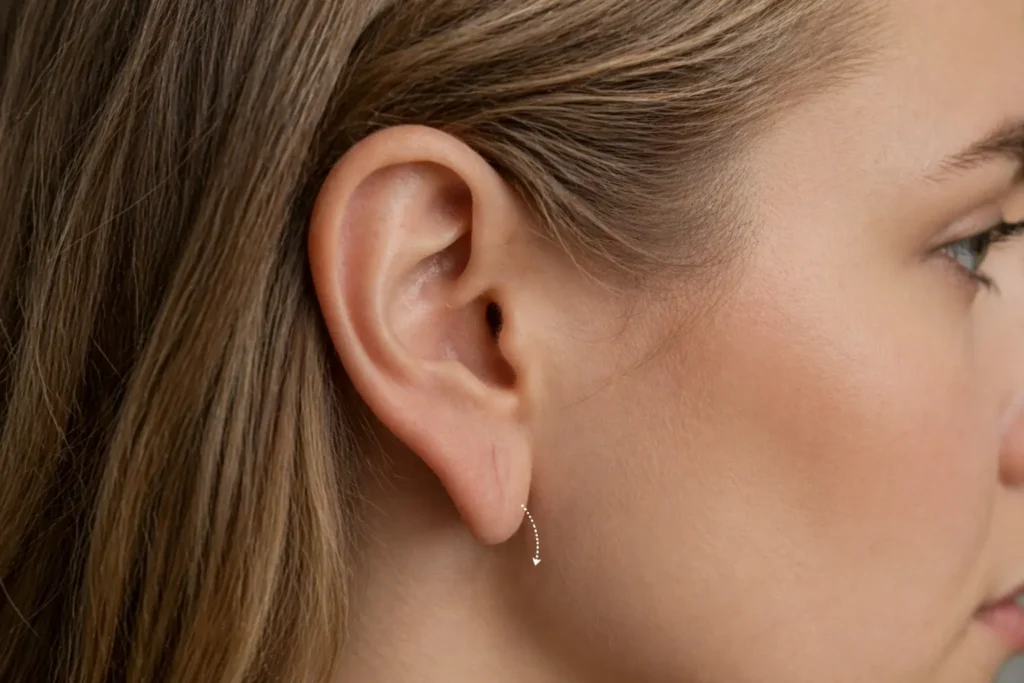
Most people don’t pay much attention to ears. They’re just… there. Not something you’d normally study when looking at someone’s face. But in some cases, they can reveal more than expected. There’s a term used for a specific change often called a “pixie ear.” It refers to a subtle shift in the shape of the earlobe. Normally, the lobe has a soft, rounded form that hangs naturally. But sometimes, that shape looks slightly altered. Instead of hanging freely, it appears stretched downward almost as if it’s being gently pulled.
It’s not dramatic. And it’s not something most people would immediately point out. But it slightly changes how the ear connects to the rest of the face. That small difference can affect the overall balance of facial features. You might not consciously notice it. But it can register as something feeling just a little off.
Not wrong. Just… different. And in a lot of cases, it’s one of those details people only recognize after they’ve seen it a few times. But this is just the first sign that can help you tell,

Then there are the signs people don’t expect at all. Not on the face. Not in obvious places. But lower around the abdomen. Procedures in this area are usually meant to create a smoother, more defined look. And in many cases, they do exactly that. But sometimes, the result looks a little too precise. The belly button is often where it shows first. Instead of blending naturally with the surrounding skin, it can appear tighter, more circular, or slightly out of place.
Not dramatically different. Just… more defined than expected. There can also be subtle patterns across the skin. Faint lines. Even spacing. A kind of symmetry that doesn’t usually occur on its own. That’s what makes it noticeable. Because natural bodies aren’t perfectly uniform. They have variation.
Small irregularities that give them character. So when something looks just a little too structured it’s probably because you can intuitively tell it’s not natural.