
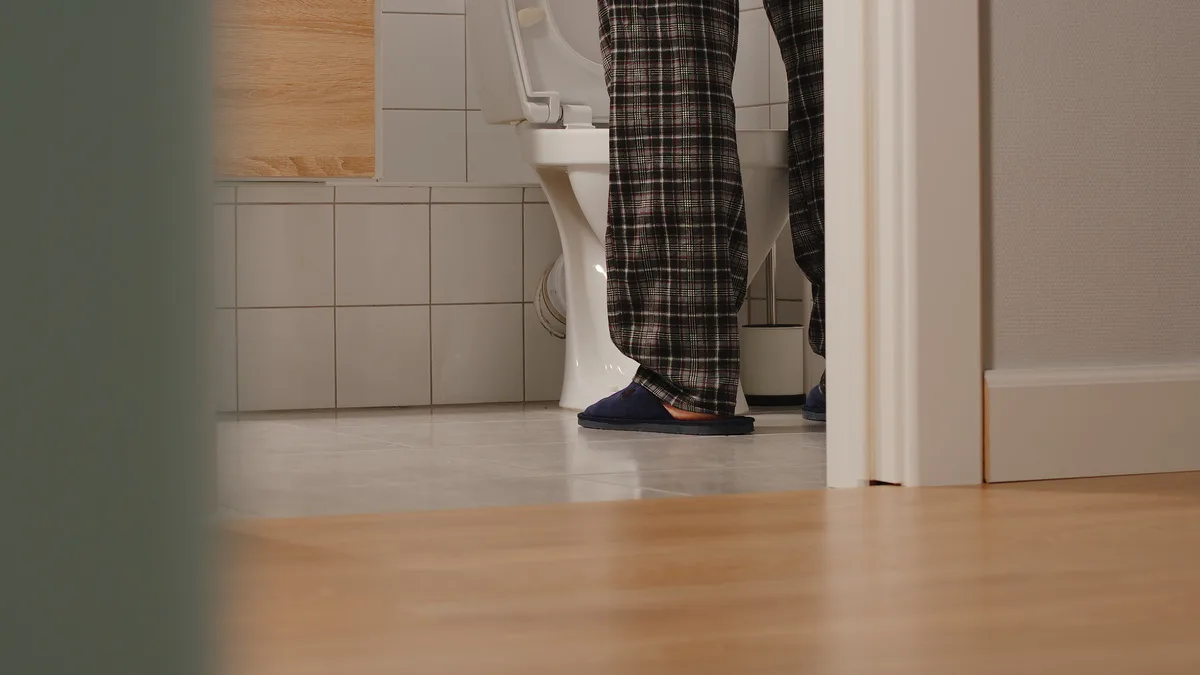
It creeps up on you. Suddenly, you need to know where the toilet is in every shop, you plan car journeys around bathroom stops, and you’re waking once or twice during the night. You may blame coffee, getting older, or simply drinking more water than usual. Often, there is a harmless explanation. However, needing to urinate more often, even without any burning sensation, can also happen with certain medical conditions. The absence of pain does not automatically mean there is nothing to worry about.
The question isn’t just, “How many times did I go today?” You also need to check what’s normal for you, whether that pattern has changed, how much urine you pass each time, and whether those bathroom trips are starting to interfere with sleep or everyday life.
How often is normal?
There isn’t a number that suddenly qualifies as a medical problem. How often you need the toilet depends on how much and what liquids you drink, your age, medications you take, and several other factors.
As a rough guide, normal daytime urination can be anywhere between four to eight times a day. More than eight bathroom visits a day can be a sign of urinary frequency.
A change from your own usual pattern can tell you more than simply counting trips. It also helps to notice how much comes out. Note whether you’re going frequently but passing only a small amount each time, or producing unusually large amounts of urine throughout the day.
Start with the obvious explanations
Before worrying about a medical cause, think about what has changed recently. Drinking more fluid will naturally make you urinate more, while caffeine and alcohol can also increase bathroom trips. Drinking more late in the evening can make nighttime visits more likely.
Some medications, like diuretics, often called “water pills,” cause the body to eliminate more water, and you may need the toilet more frequently. If the change began after starting or changing a medication, ask your doctor or pharmacist whether it could be a side effect, but never stop prescribed medicines without checking first.
Painless causes doctors may consider
An overactive bladder may cause you to go frequently during the day, wake during the night, or leak. Though more common as people get older, an overactive bladder needn’t be accepted as part of aging. Treatment often begins with behavioral changes such as bladder training, and pelvic-floor exercises or medication may also be considered depending on the person and the cause.
Diabetes can also lead to frequent urination without other symptoms like burning or discomfort. With high blood glucose levels, the kidneys can’t reabsorb all of the excess glucose. The result can be more urination and increased thirst.
A urinary tract infection can also cause frequency and urgency. Burning, though a familiar UTI symptom, isn’t always necessary. Cloudy or bloody urine, lower abdominal discomfort, fever, back pain, or a sudden increase in urgency are additional reasons to seek advice.
For men over 50, the prostate can play a role
Benign prostate enlargement is most common in men over 50, and an enlarged prostate can press on the urethra and interfere with normal urination.
In this case, frequent trips could often be accompanied by other clues like difficulty starting, a weak stream, stopping and starting, dribbling afterward, or feeling as though the bladder hasn’t completely emptied. Needing to get up during the night can also be part of the pattern.
Pay attention to waking at night
Getting up once during the night can happen, particularly as people age or after drinking a lot in the evening. But regularly waking two or more times to urinate should be noted, especially if this is a new change or you’re feeling tired the following day.
Nighttime urination can be linked with several different things, including an overactive bladder, an enlarged prostate, diabetes, medication, and simply drinking too much close to bedtime.
When to call a doctor?
Make an appointment if you are urinating noticeably more often, the change persists, or it begins interfering with your sleep, work, or normal activities. A practical way forward is to contact a healthcare professional when there is no obvious explanation for the extra bathroom visits.
Some symptoms deserve quicker medical attention. Contact a healthcare professional promptly if frequent urination is accompanied by blood in the urine; fever; pain in your side, lower abdomen, or groin; pain or burning while urinating; new loss of bladder control; or trouble passing urine or emptying your bladder. Remember to mention other unusual symptoms like thirst, tiredness, blurry vision, or unexplained weight loss to a healthcare professional.
If you suddenly cannot urinate at all, seek urgent medical help.
Most importantly, do not diagnose yourself by counting bathroom trips. Four coffees and a large bottle of water may explain a busy afternoon. A new pattern that continues day after day is different. One surprisingly useful step is to keep a simple bladder diary for a few days. Note down what and how much you drink, roughly when you go to the toilet, whether you pass a small or large amount, and how often you wake during the night. Healthcare professionals can use that information to spot patterns harder to recall afterwards.
This article provides general health information and is not a diagnosis or a substitute for advice from a qualified healthcare professional.