
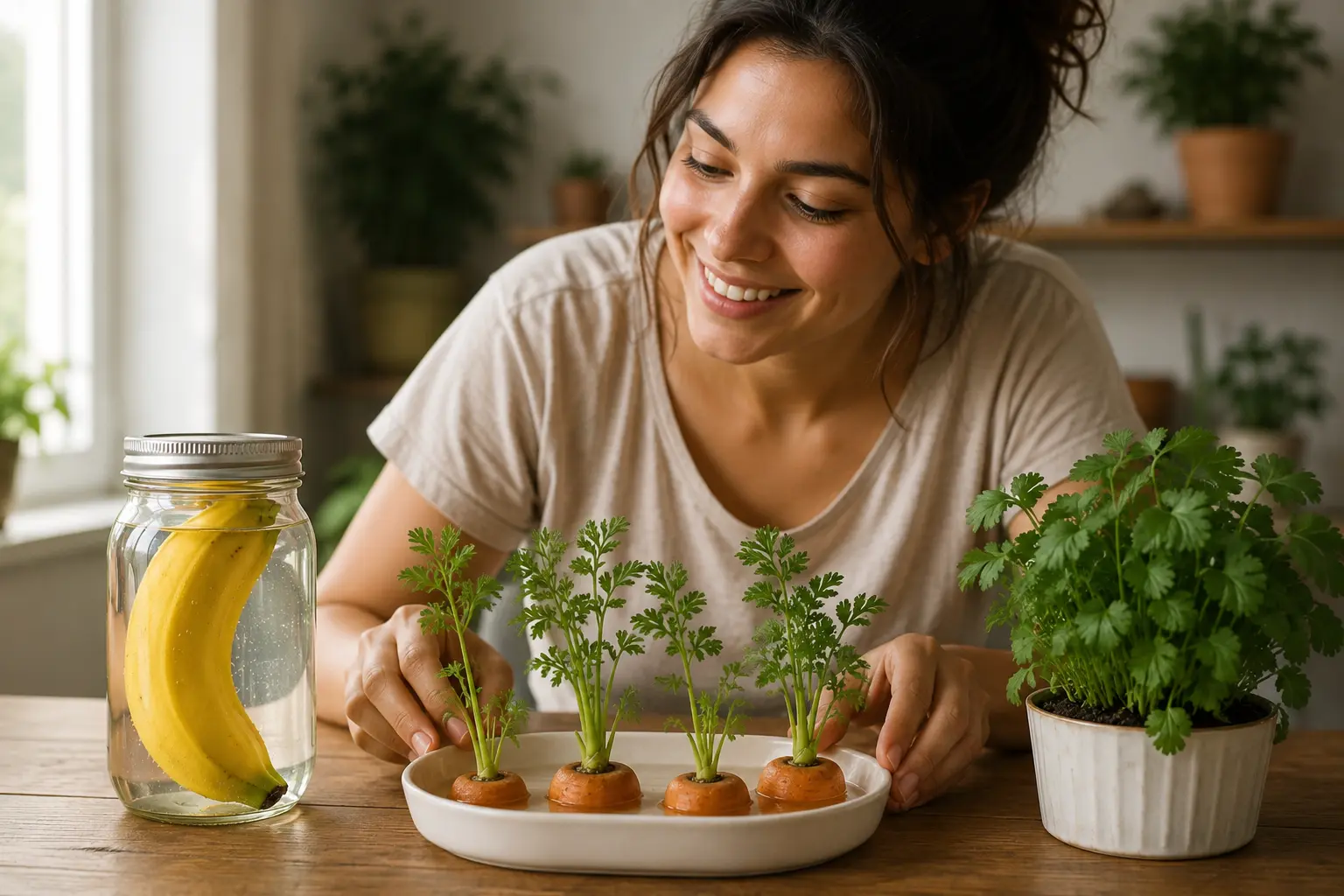
If you cook at home often, chances are you’re throwing away things that could be growing your next harvest. Banana peels, carrot tops, leftover corn cobs, used coffee grounds most of us see them as kitchen waste. But with a little patience, many everyday scraps can become fresh herbs, vegetables, homemade fertilizer, and even mushrooms. The best part? You don’t need an expensive garden or years of experience to get started.
Many of these tricks only require a jar, a little water, and a sunny windowsill. Others help you recycle food waste into something your plants will actually love. They’re simple, inexpensive, and surprisingly satisfying to watch. Whether you’re looking to save a little money on groceries, reduce waste, or just enjoy growing something yourself, these easy gardening hacks are worth trying.
Here are seven clever ways to turn everyday kitchen leftovers into something useful.
Grow a Mango Tree From the Seed
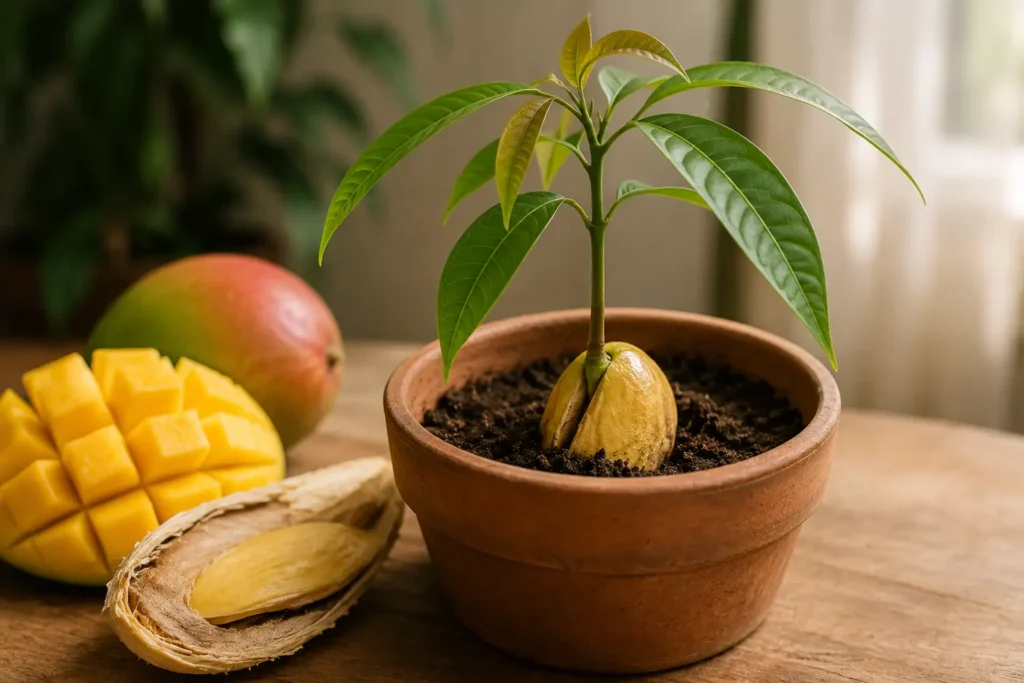
Most people enjoy a juicy mango and immediately toss the large seed into the trash. But hidden inside that tough husk is the seed that can grow into your very own mango tree. After eating the fruit, carefully remove the outer husk and take out the inner seed. Wrap it in a damp paper towel, place it inside a resealable plastic bag or container, and store it somewhere warm.
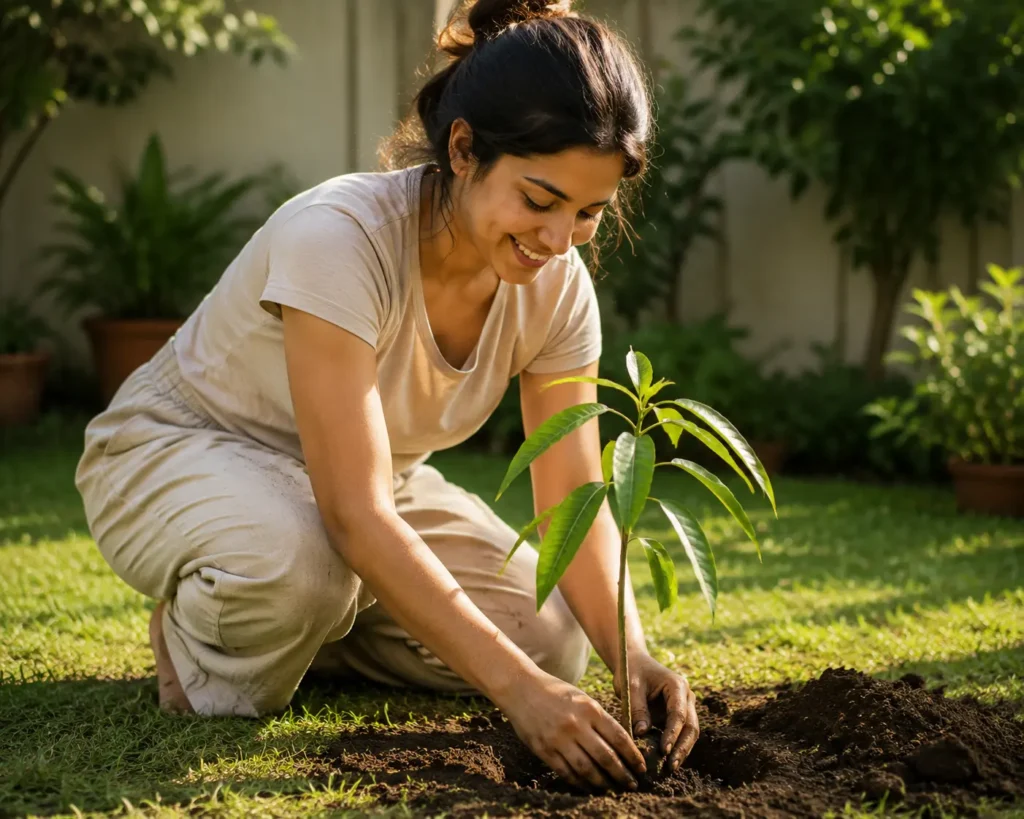
Keep the paper towel moist, but not soaking wet. Within a couple of weeks, the seed should split open and a small root will begin to emerge. Once the root is a few inches long, plant the seed in a pot filled with well-draining soil, leaving the top portion slightly exposed. Place it in a sunny location and water it regularly without overwatering.
While it takes patience for a mango tree to mature, growing one from a fruit you were already planning to eat is an incredibly rewarding project that costs almost nothing.
Grow Coriander From Seeds
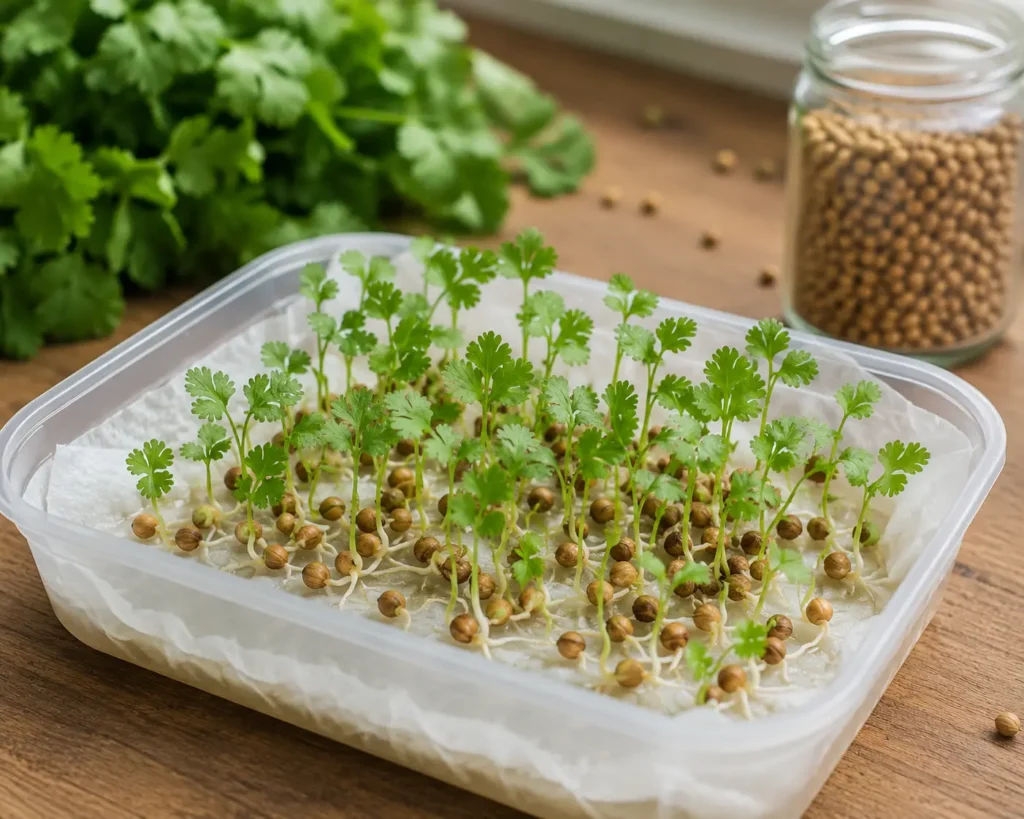
Fresh coriander is one of those herbs that always seems to wilt just a few days after buying it. Fortunately, growing your own is much easier than many people realize. Line a colander or shallow container with a damp paper towel, then spread coriander seeds evenly across the surface. Cover them with another damp paper towel to help retain moisture, and place the container somewhere warm and bright. Keep the towels moist as the seeds germinate over the next couple of weeks.
Once healthy sprouts and roots have formed, transplant them into soil or a larger planter where they’ll continue to mature into full coriander plants. Growing your own means you’ll always have fresh herbs ready for soups, curries, salads, and garnishes without making another trip to the grocery store.
Start Corn From a Leftover Cob
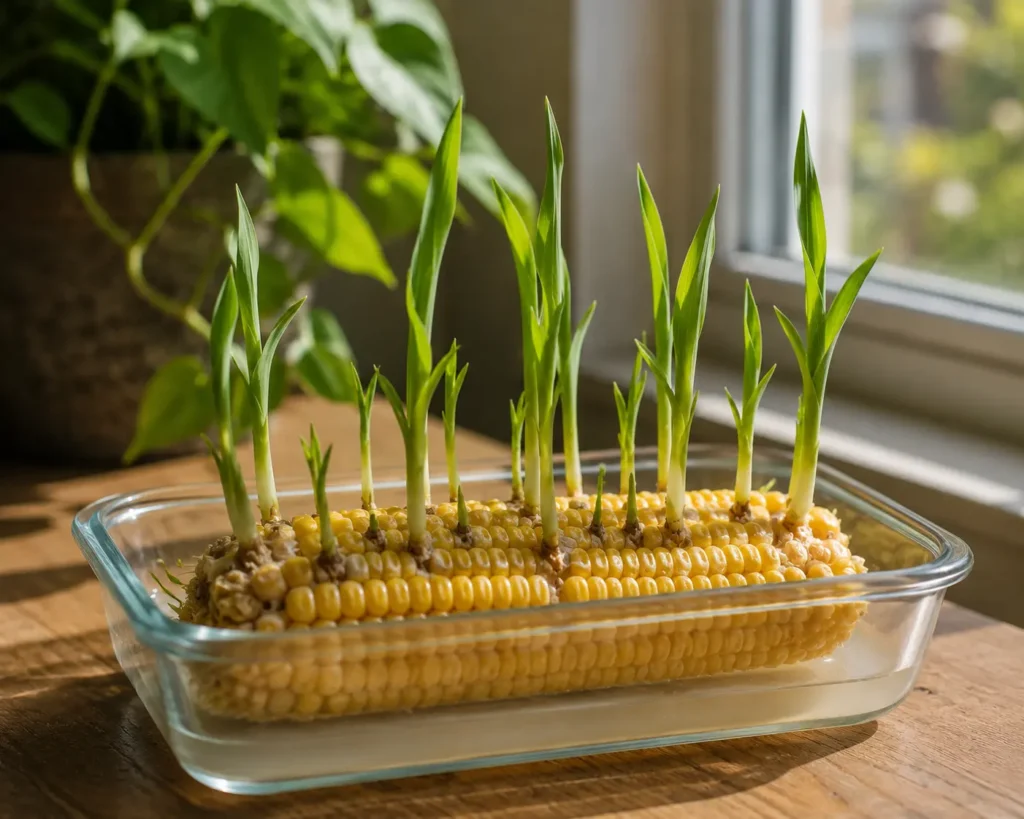
Most people finish eating corn and immediately throw the cob away. But under the right conditions, that leftover cob can actually sprout new plants. Place the cob into a shallow container with rice water or plain water so the bottom remains moist. Set it somewhere warm with plenty of sunlight and check it regularly to keep the water from drying out.
Over the following weeks, small green shoots will begin emerging between the kernels. Once several strong shoots have developed along the cob, carefully separate them and transplant each one into nutrient-rich soil outdoors or into large containers. Corn needs plenty of space and sunshine to thrive, but this simple trick lets you recycle something that would normally end up in the trash while giving your garden a head start.
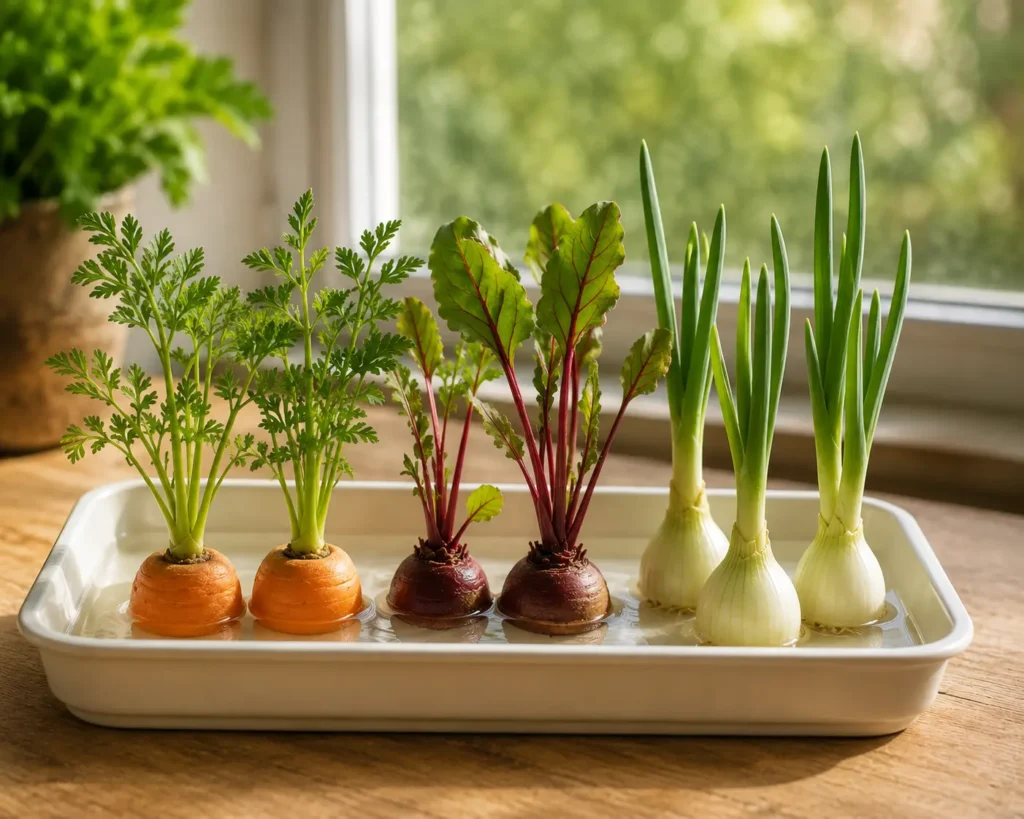
Regrow Vegetables From Leftover Tops
The tops of many vegetables still contain living tissue that’s capable of producing fresh growth long after the edible portion has been used. Place carrot tops, beet tops, or onion bottoms in a shallow tray with just enough water to touch the cut surface. Set them in a bright location and replace the water every few days to keep everything fresh.
Within a week, you’ll start seeing vibrant green shoots emerge. Carrots and beets produce leafy greens that are perfect for salads, pestos, and garnishes, while onion bottoms quickly regrow flavorful green onions. Although the original root won’t grow back to full size, it’s a simple way to get extra harvests from vegetables you already purchased instead of throwing perfectly usable pieces away.
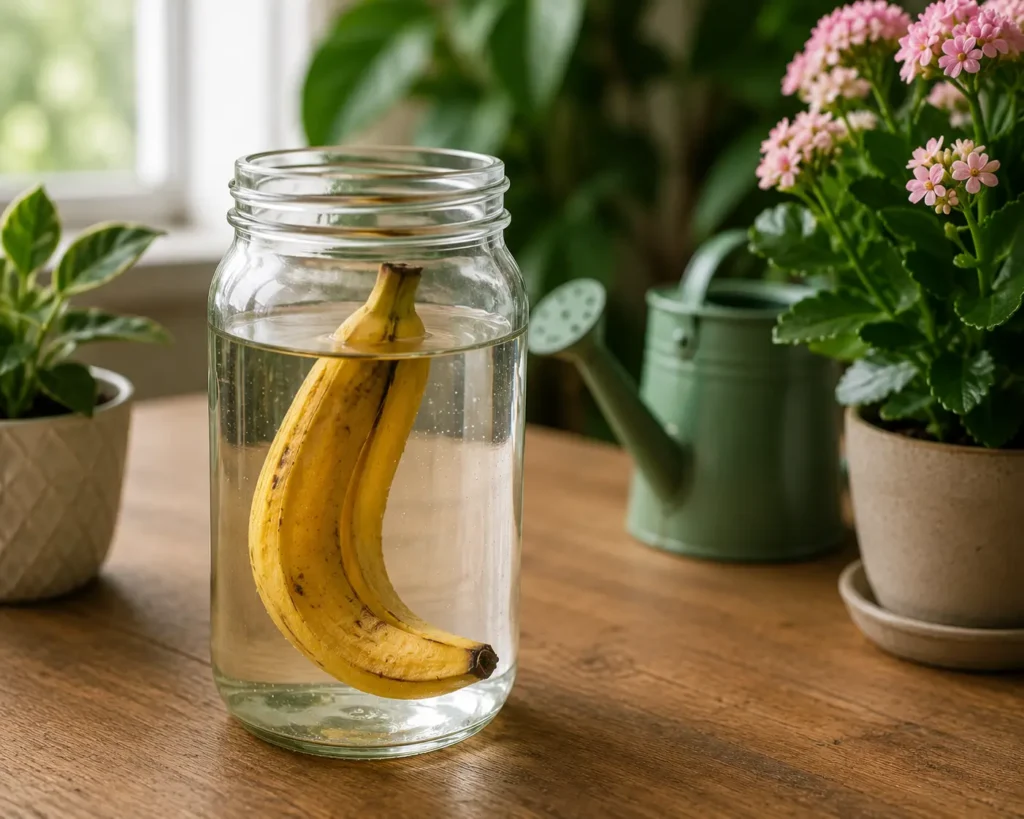
Make Banana Peel Fertilizer
Banana peels are packed with potassium and other nutrients that flowering plants appreciate. Instead of tossing them into the compost, you can turn them into a quick homemade fertilizer. Place a banana peel inside a clean jar, fill it with water, and seal the container. Let it sit overnight so some of the nutrients naturally infuse into the water. The following day, remove the peel and use the liquid to water your houseplants or garden.
The fertilizer is best used within one to two weeks after it’s made. Store it in a cool place during that time and shake it gently before using. While it isn’t a complete fertilizer, it’s an easy way to recycle kitchen scraps while giving your plants an occasional nutrient boost.
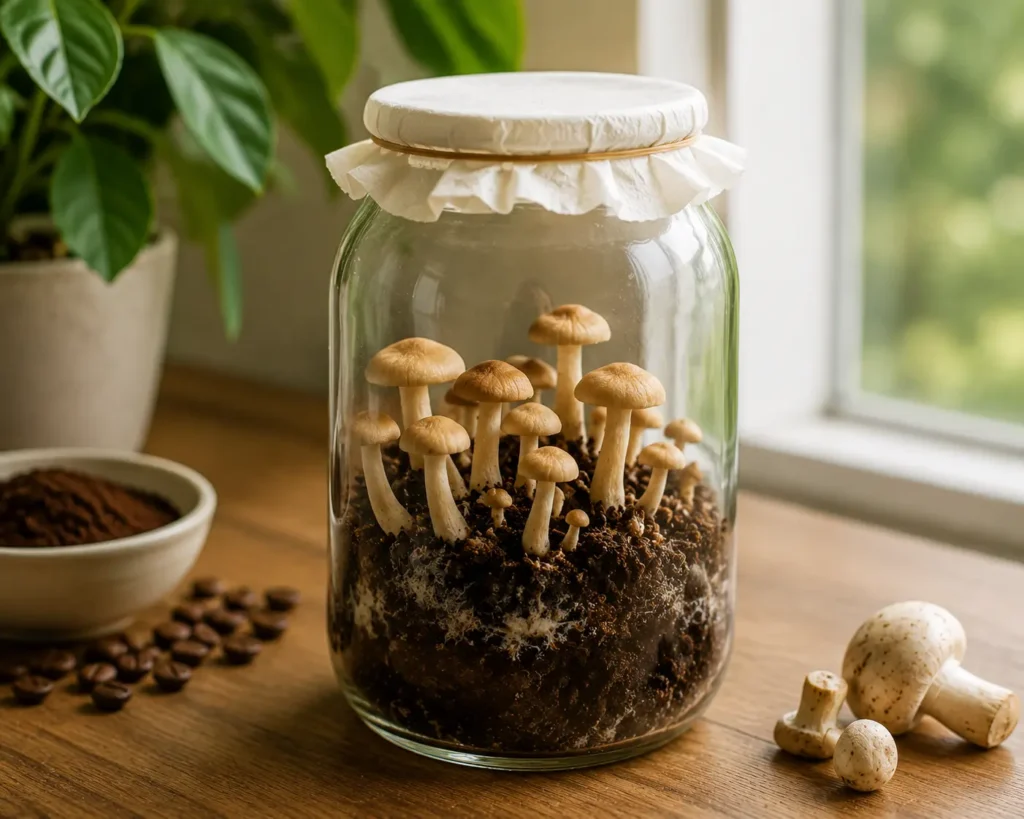
Grow Mushrooms Using Used Coffee Grounds
Your morning coffee can do more than wake you up. Those used coffee grounds are rich in organic material, making them a surprisingly good growing medium for certain mushrooms. Instead of throwing them away, you can give them a second life and grow fresh mushrooms right at home. Start with freshly used coffee grounds and let them cool completely. Add them to a clean glass jar, then mix in mushroom spawn (recommended) or pieces of fresh mushroom stems if they still contain living tissue. Cover the jar with a coffee filter or paper towel and secure it with the lid ring or a rubber band so air can circulate while keeping contaminants out. Place the jar in a cool, shaded location and leave it undisturbed for several weeks.
As the mushroom mycelium spreads through the coffee grounds, you’ll eventually begin to see small mushrooms forming. Once they’re large enough, harvest them by gently twisting them off at the base. This method works most reliably when using mushroom spawn, though fresh stem butts may occasionally regrow under the right conditions.
It’s a fun way to recycle used coffee grounds while experimenting with growing your own edible mushrooms at home.
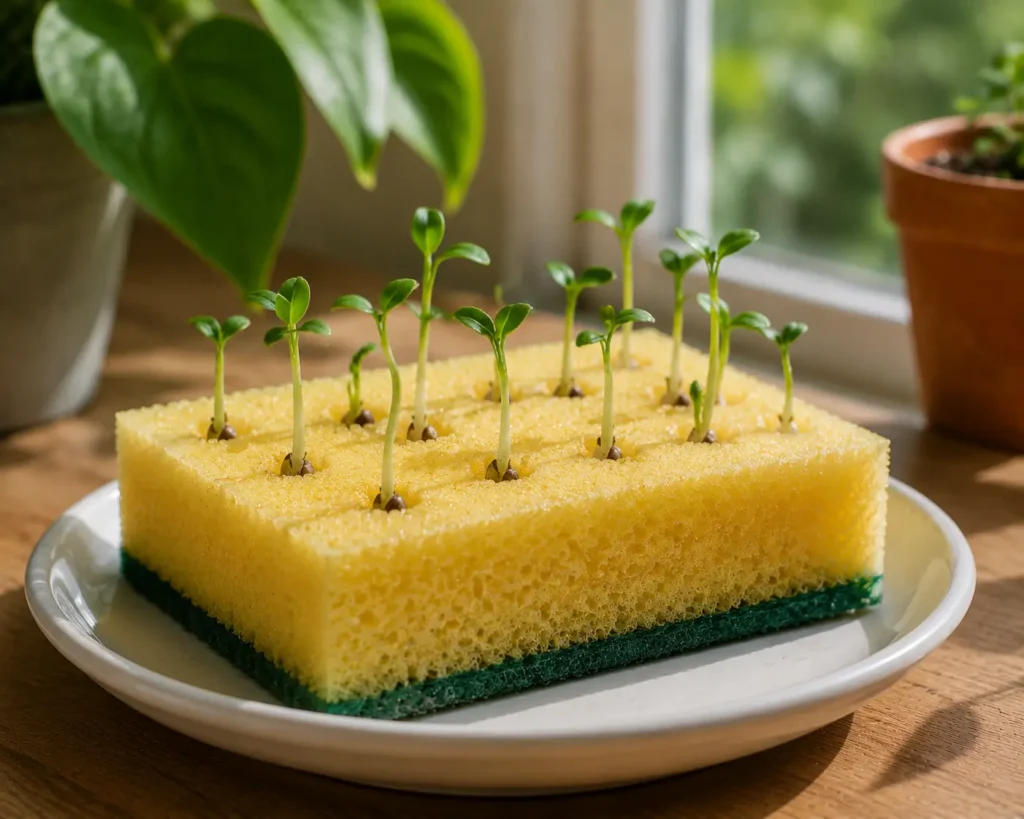
Start Seeds With a Kitchen Sponge
A clean kitchen sponge can make an excellent seed starter, especially if you’re short on pots or seed trays. Its ability to hold moisture creates a perfect environment for many seeds to germinate. Simply dampen a new, unused sponge and make several small slits across the top using a knife. Place one or two seeds into each slit, then set the sponge on a shallow plate or tray in a warm, bright location. Keep the sponge consistently moist, but avoid letting it sit in standing water.
Within days, many seeds will begin to sprout. Because the roots stay moist and are easy to see, it’s simple to monitor their progress. Once the seedlings have developed a few true leaves and healthy roots, gently remove them from the sponge and transplant them into soil.
It’s an inexpensive gardening trick that gives seeds an excellent start while making it easy to watch the entire germination process unfold.
The Bottom Line
You don’t need a greenhouse or a large backyard to become a successful gardener. Sometimes the best place to start is right in your own kitchen. From sprouting a mango seed and growing fresh coriander to making homemade fertilizer and recycling coffee grounds into mushrooms, these simple projects help you get more value from food that would normally be thrown away.
Even everyday items like a kitchen sponge can become useful gardening tools. Not every method will work perfectly every time, and some require a little patience. But the cost is minimal, the waste is reduced, and the reward of harvesting something you grew yourself is hard to beat.
The next time you’re about to throw away a fruit seed, vegetable top, banana peel, or used coffee grounds, think twice. It might just be the beginning of your next home-grown harvest.